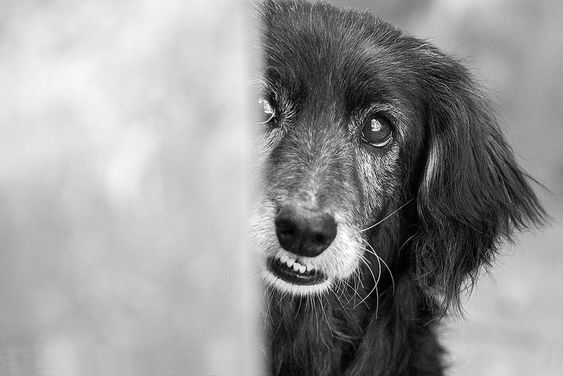
Social media platforms like Facebook, Instagram, and Twitter allow animal rescuers to reach thousands of people with a single post. Stories of animals in need, whether they are injured, abandoned, or neglected, spread rapidly, often going viral. This increased visibility brings attention to the plight of these animals, resulting in more donations, more volunteers, and ultimately, more lives saved.
When a post about a street dog in urgent need of medical care is shared, the response is often immediate. People from all over come together to offer support—whether it’s financial contributions, offers to foster, or simply spreading the word. Social media turns awareness into action, mobilizing resources quickly and efficiently.
Facilitating Adoptions
One of the most significant impacts of social media on animal rescue is its role in facilitating adoptions. Rescue organizations and individuals can showcase animals available for adoption through photos, videos, and detailed descriptions. Potential adopters can easily see the personality and story of each animal, making it easier to find a perfect match.
Success stories are also shared widely, encouraging others to adopt rather than shop. These heartwarming tales of rescued animals finding their forever homes inspire more people to consider opening their hearts and homes to a new companion.
Building a Community
Social media fosters a sense of community among animal lovers and rescuers. Through groups, pages, and hashtags dedicated to animal rescue, people share their experiences, offer advice, and provide emotional support. This sense of community is crucial, as it creates a network of people who are committed to the same cause—saving animals and giving them the lives they deserve.
For Manavi Rai, social media has been instrumental in building a community of supporters who not only help her rescue efforts but also spread awareness about the importance of animal welfare.
Educating and Advocating
Beyond rescuing animals, social media is a powerful platform for education and advocacy. Rescuers like Manavi use their platforms to educate the public on the importance of spaying and neutering, the responsibilities of pet ownership, and the urgent need for better animal welfare laws.
Advocacy campaigns launched on social media can have a profound impact, influencing public opinion and even leading to legislative changes that protect animals from abuse and neglect.
Conclusion
Social media has revolutionized the way animal rescue efforts are conducted. It has allowed rescuers to reach wider audiences, gather resources more quickly, and connect with like-minded individuals who share their passion for saving animals. For Manavi Rai and others in the animal rescue community, social media is more than just a tool—it’s a vital part of their mission to make the world a better place for animals in need.
By harnessing the power of social media, we can all play a part in rescuing, rehabilitating, and finding homes for animals who deserve a second chance at life. So, the next time you see a post about an animal in need, remember that your like, share, or comment could be the key to saving a life.